Friday, 5 May 2017

Evaluation #3 - What kind of media institution might distribute your media product and why?

Hi, I'm Oliver Bridle and I am part of the group that created Hidden in Plain Sight for our media studies project.


Because of its setting and time period, many movie studios would likely pass up on a movie like this or at most give it a very small budget.
It may be seen as an obstacle to have a small budget but it helps in refining the dialogue and story more to distract from cost cutting measures.


For our movie, we would expect to have a small studio such as A24 to invest in the project, mainly because it’s a type of movie that wouldn’t usually be seen in cinemas in this day and age due to its slow pace and time setting.


A24 have released many small budget and risky movies including
  • The Lobster
  • Swiss Army Man
  • Green Room
  • Moonlight
  • Enemy
  • Room
  • Tusk
These types of movies are all very different with some being strange cross-genre combinations.

To pitch this kind of movie a sort of taster short film may be made out of our own pocket so that the studio we would pitch to could get an idea of the feel of the movie before making a risky monetary investment.


Institutionally this film is similar to ‘Swiss Army Man’ because it is a niche movie with a high investment risk for the distributor, ‘Swiss Army Man’ made $5.1 million USD at the box office on a $3 million USD budget, a relatively small amount compared to blockbuster movie franchises with well-established fan bases such as movies from Marvel Studios owned by Disney, which can gross hundreds of millions of dollars.


We wanted to keep the title credits in theme for our movie, the film itself is primarily a mystery/thriller based in the 1970’s so we used mysterious music and a simple graphic for the intro reminiscent of 70s horror flicks such as ‘Friday the 13th’ whilst still using modern effects to contrast it.


For our title credits, we had everyone’s names shown seeing as there were only 3 cast members in the whole film, we used one title card for all of the names to keep the intro short.


Overall, through the use of many different effects, we got the desired look for our titles sequence.

Evaluation #2 - How does our media product represent particular social groups?


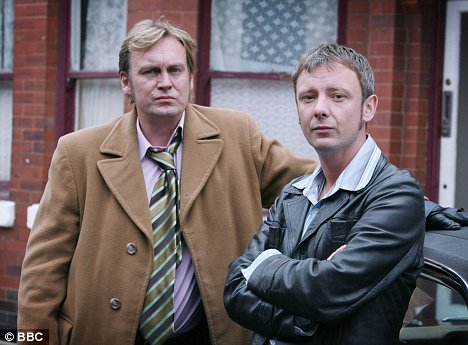
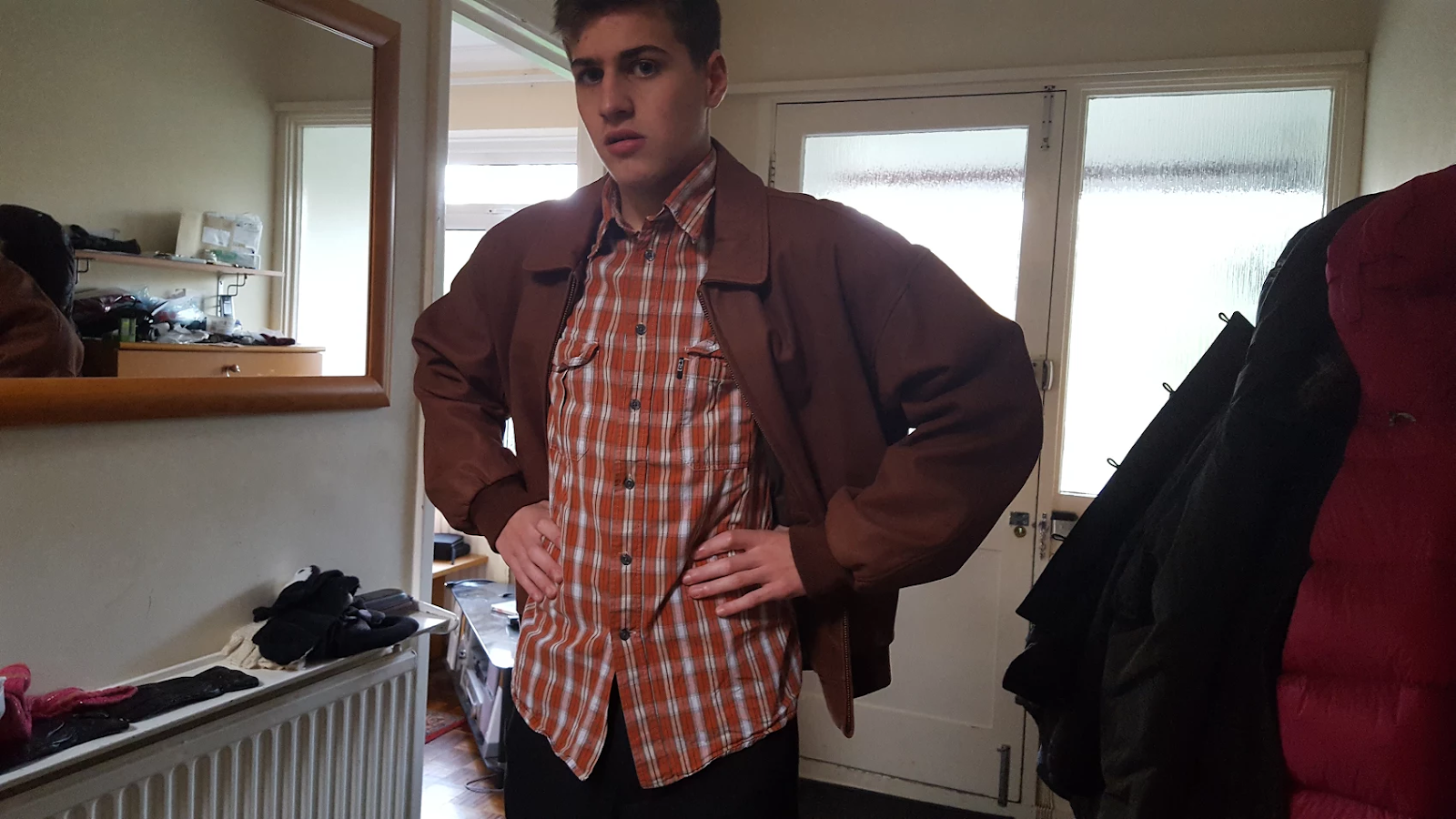
In terms of costume, the two characters in our project are very similar to the duo displayed on the right picture of john Simms, the main lead detective in our move is wearing a trench coat, and polo shirt very similar to the man on the right of the Johnny Simms picture, however, and he is wearing a leather jacket instead. The top button of our detective character is undone to create a scruffy representation for our detective character to suggest that he isn’t afraid to get his hands dirty, similar to the duo on the right who are shown to have loosely done ties, undone top buttons and uneven collars suggesting they have been in some form of conflict and to add some sense of power and authority as it suggests they aren’t afraid to start a conflict with the antagonist.
The victim character in our movie is shown to be wearing a white button up t-shirt which again, is conventional in the average 70’s stereotypical costume, this character isn’t necessarily a detective so can’t be effectively compared to the duo on the right side since the fact that he isn’t a detective suggests he doesn’t have the status to wear a full trench coat outfit, but we can compare the unbuttoned loose t-shirt that brings across the same image that we tried to convey through the detective character, however, the use of a loose messy shirt like this can also connote that the character has been on the losing end of a conflict and has been beaten up or lost a fight, creating the opposite impression presented by the detective.
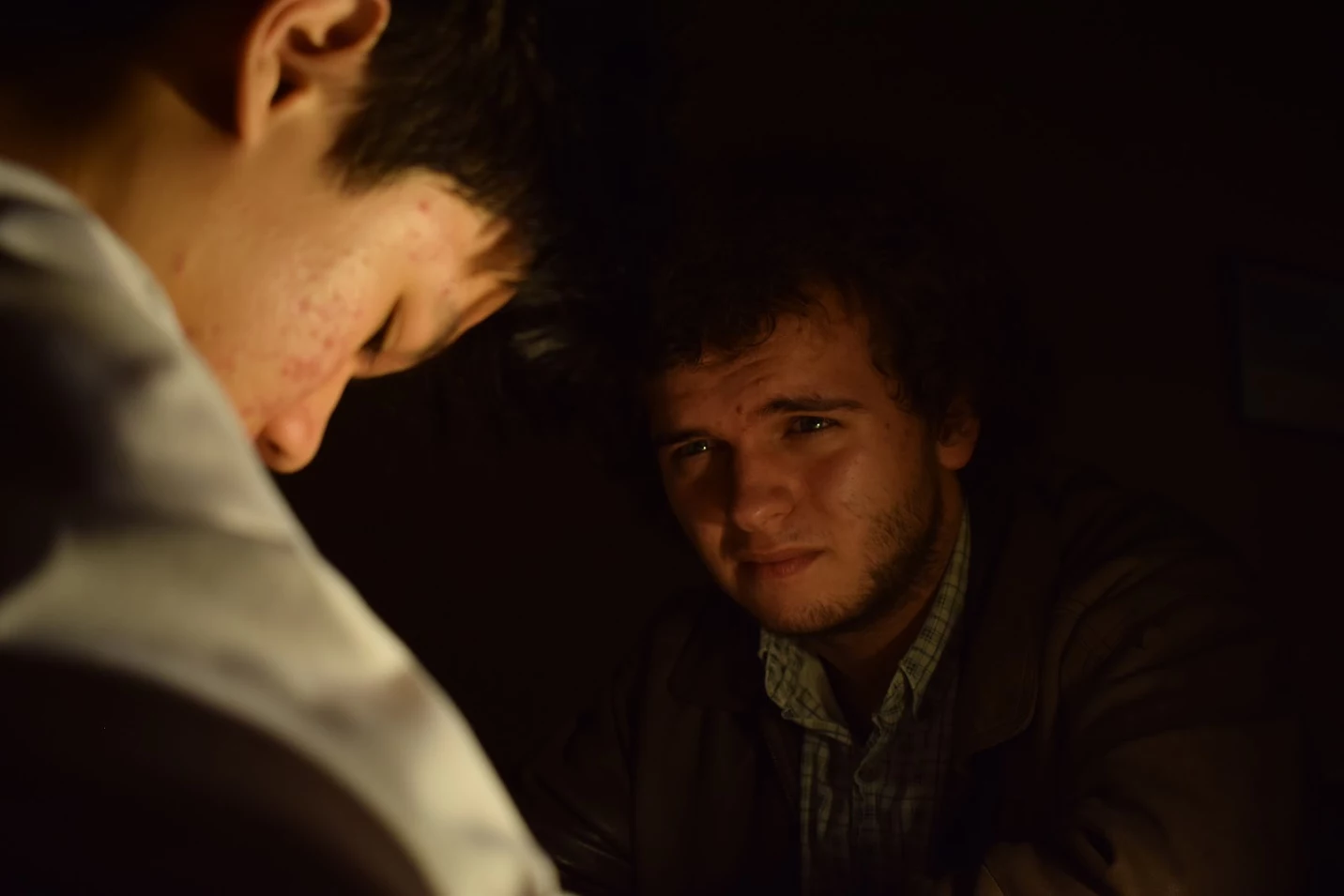
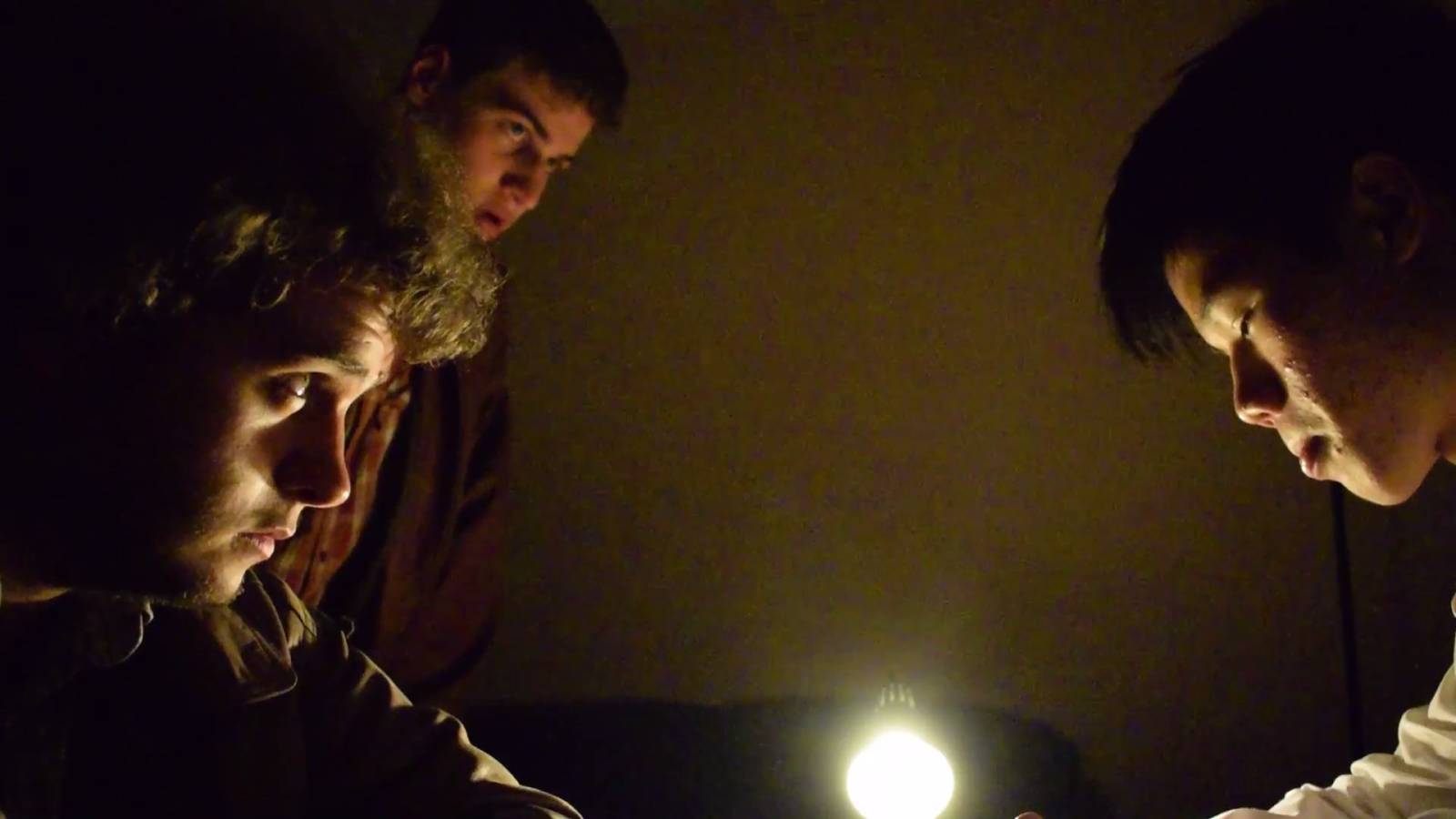
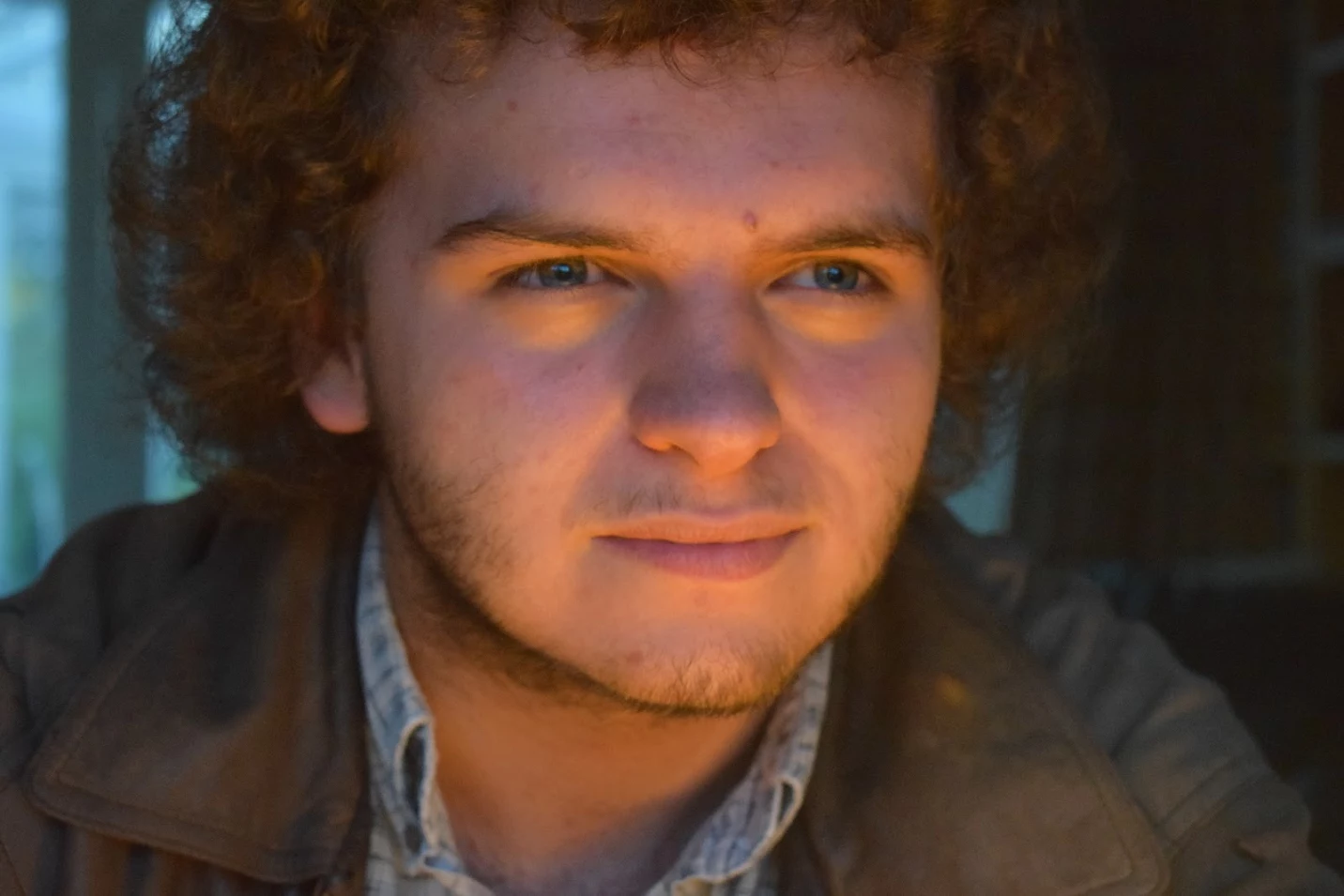
The actual facial features of our detective character are quite different to the two detectives on the right who are shown to be clean shaven with combed and maintained hair, our detective character is shown to have scruffy, frizzy hair and unshaven facial hair to add to the more violent image conveyed through his costume design, since our movie is a horror, it is conventional to use lots of dark lighting and low-key lighting to create a sense of discretion and fear, the inclusion of the facial hair and long curly hair in the picture shown above is effective in hiding a majority of his head and making only his head visible due to the lamp, this darkening of is surrounding body through facial hair and clothing is effective in creating a sense of anonymity and mystery due to how much of the character is hidden in darkness, this can be seen as similar to the two characters on the right, who wear trench coats which are popular for concealing objects and making a character seem a lot more ominous and mysterious, however, the use of lighting isn’t used to convey any form of mystery.
Both the character on the left image and the two on the right are undercover police/detectives and share very similar roles in their individual films/series, our detective character is assigned to investigate a recent incident involve the antagonist of the movie and is required to intercept this antagonist , very similar to the television series “life on mars” featuring the character in the leather jacket on the right, whose role is also an undercover police officer and detective who’s role in each episode is to intercept an antagonist/ criminal and bring justice to restore the new equilibrium in the plot only to be disrupted again next episode.

Evaluation #1 - In what ways does our media product use, develop or challenge forms and conventions of real media products?

Title of the Film, Title Font and Style

The title of our film is called ‘Hidden in Plain Sight’ because a supernatural being has been hidden from the public and cannot be seen easily. It has its title because of the demon not be being able to be identified by the public but the demon’s presence is there right in front of their eyes the whole time. The words ‘hidden in plain sight’ were used to create an enigma code for the audience to create mystery throughout the rest of the film and makes the audience question who or what is hidden, why that object or person is hiding and who is looking for it. The mystery is an effective convention used in horror movies because it adds to the suspense which makes them more curious to what’s going to happen to the main character, in this case, the ‘detainee’. The word “sight” also adds a creepy effect because it means that a possible entity can be watching or seeing everything that happens in and out of the scenes, the audience will be unaware of when the object will or can appear and scare them.
The title is catchy and grabbing for the audience because it is an intriguing phase that can be used in a horror form if it has had a build up as a horror as it was being advertised or produced. The words used in the title can also be used to involve the audience because it means that they can be a part of the investigation that takes part in the movie.

The style and font are set as a written form that looks archaic for the audience. This is to create a creepy effect and also relate to the age of the ancient demon that is present throughout the movie. The white of the titles give a ghostly effect since ghosts are commonly seen as white inside horror movies, the also fade away like burnt paper and this is used to represent the spontaneous and sudden presence of a supernatural entity.
A faded red colour appears above the title to represent the splatter of blood that is left from the demon’s victims throughout the films, this is to make the audience feel intrigued and hint to them that there will be blood throughout the movie.
Setting/location
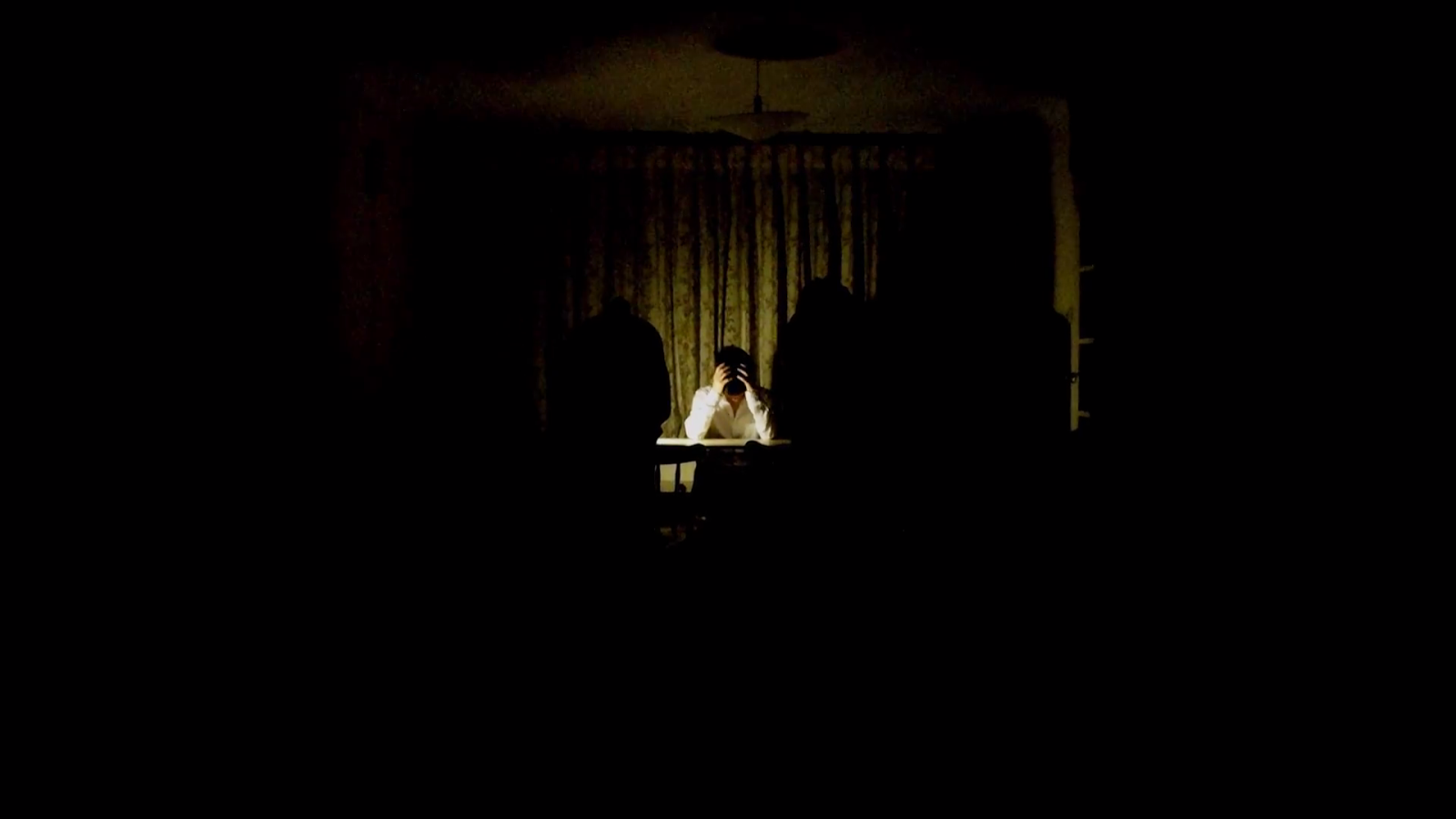
Our first setting was based inside an interrogation room which was used to have the scene where the detainee was being questioned by the two detectives. We were not able to get a room that has the original features of a real room used for questioning so the most suited room for the scene was Oliver’s living room since it was a controlled area where we could use dark lighting and isolated sound but it was also easily accessible so it was easy to film and edit when we needed to.
On the screen, in the background, we can see the curtains of the lounge but this can be used as an additional feature to get the audience to question the detective’s real intentions and if they are real detectives since it the questioning is not taking place in the police station. We knew that this area was always available for us since we didn’t need permission for access and didn’t have to worry about weather or other factors that may impact the continuity of our shots.

Even though it seems minimalistic, the forest is a classic setting for many horror movies such as ‘Cabin in the Woods’, ‘The Evil Dead’ and ‘The Blair Witch Project’ because it is the ideal setting for ominous and creepy settings, natural sounds and surroundings that can easily create a dark atmosphere for the audience. The cycle of the seasons can play a big part in different genres, for example, in Autumn the trees have bright and colourful leaves that fall off of them which can create a romantic effect for a romance based genre but in the Winter the trees look like they have been stripped of all life since they look grey and/or dead which symbolises death and decay and this is why we used the leafless trees in our film.
Forests are also common for killers and murders because it is an isolated area that is sparsely populated and it is easy for the antagonist to hide from the people he/she is stalking which can create more mystery in the scene.

Costumes
The mise en scene includes a typical London look for a teenager which is a school uniform that consists of a school shirt and school trousers. The two top buttons are undone and his sleeves are rolled up to make him look rebellious and cool. Even though he has made his appearance like that to fit his personality, he seems innocent but nervous and his facial expressions and appearance juxtapose with each other to create a red herring for the audience because they are unsure of if the detainee is innocent or not.
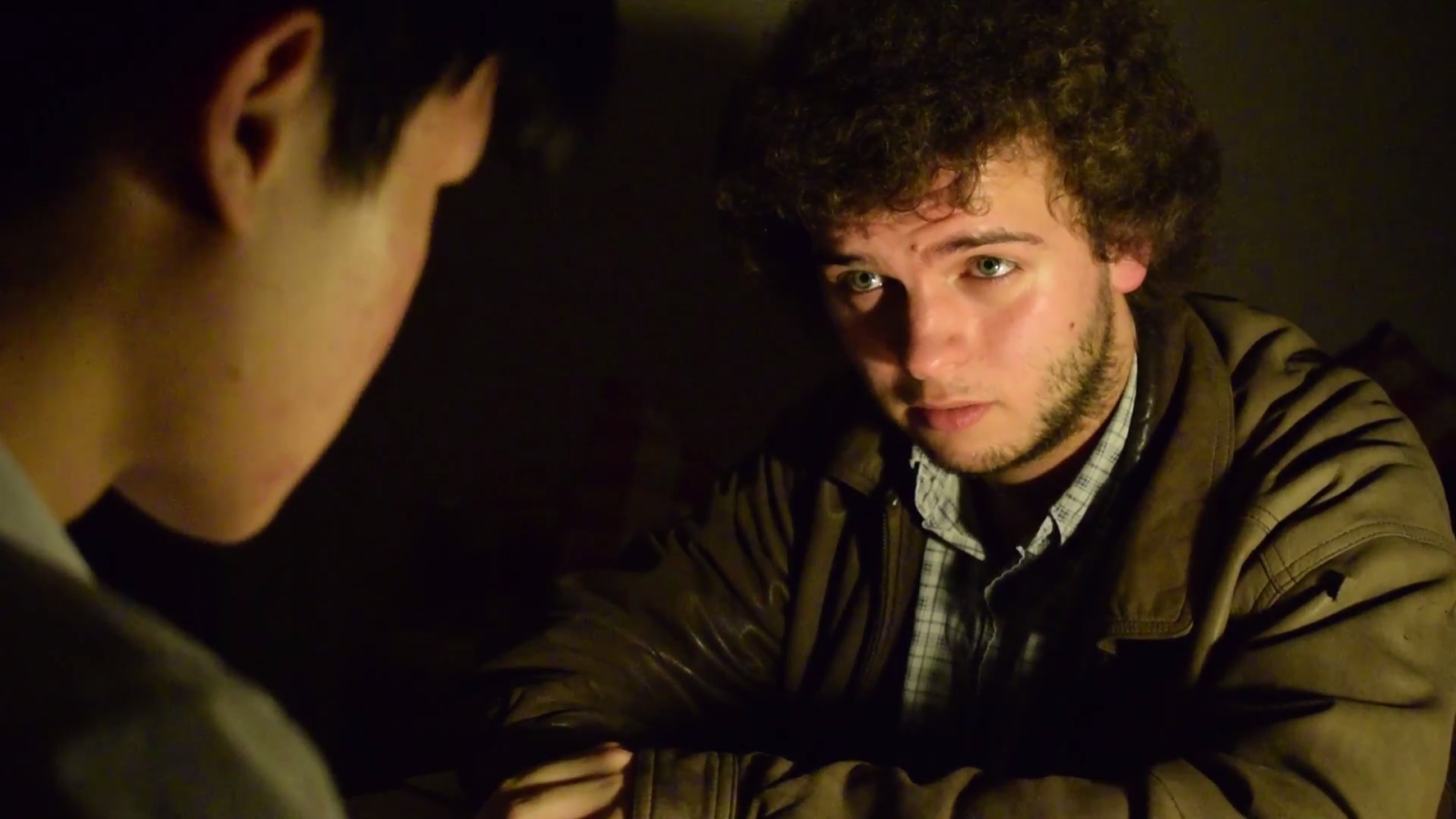

We based our detective's costumes on what the people of that profession would wear in the 1970s and the inspiration came from an old detective series from 2006 called ‘Life on Mars’. We used the casual clothing so it looked like the detectives are calm and trusting for both the other characters in the movie and the audience since it made them look more like the people they were talking to and not intimidating suits. We got the clothing from Oliver’s dad because we thought they looked the most suitable for our production since they looked like the type of clothing that people had during the 1970s.

Props

The Relic
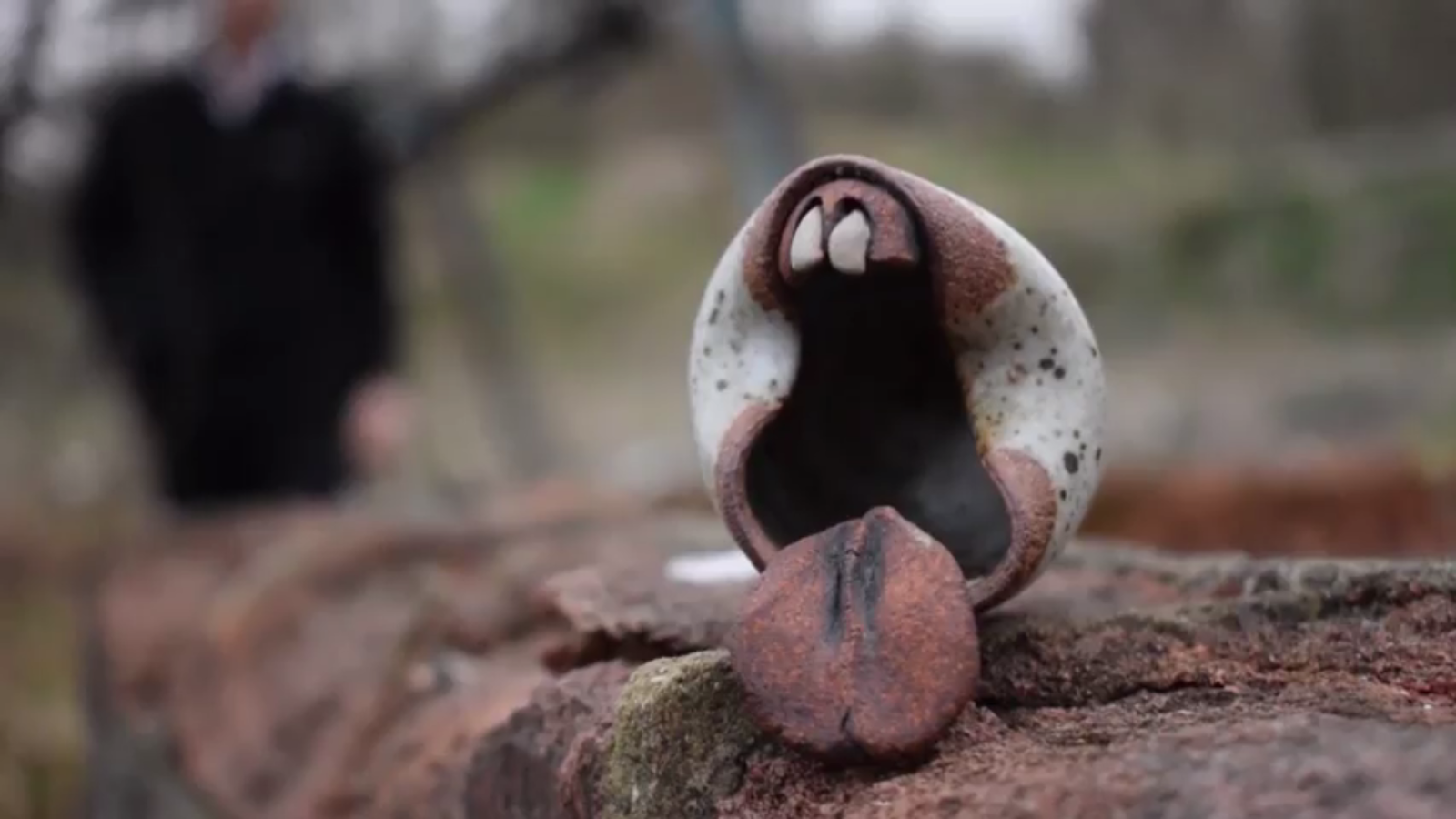
We used house ornament for our demonic relic inside our film that is the shape of an evil being’s mouth from the underworld but it was originally was a cigarette tray. We chose this prop because it had features that looked like it will be from a supernatural realm so it will create a creepy and unnerving effect for the audience, it also matches the location we shot which was decayed and decrepit. We had inspiration from different movies such as ‘Indiana Jones’, ‘The Mummy’ and ‘The Evil Dead’ since they all involved finding artefacts that released a form of power that can be used to conquer lands. The object was round and obscure because we wanted the audience to be curious to what it is along with the character in the movie because it is unique and strange.

The Lamp
The lamp was a part of the mise en scene because it is a typical feature inside of movies that have interrogation scenes. It is used to make the interrogators look more intimidating for both the audience and for the detainee since it shines towards the detainees face, blinds them and makes it so they can’t see the detective's face as much, this is to add mystery to the scenes.
We also used it because it is a diegetic source of light that can light up the scene enough for the audience to see the characters on the scene without us needing to add an external light source and ruin the realism of the scene. Another use of the lights is to emphasise the characters actions and facial expressions, the audience will be able to see the detective trying to be friendly to the detainee, the other detective being impatient and the detainee being anxious about his position.

Camera Work
The camerawork in the film took a lot of thought and consideration, we had to work out which shot suited each moment otherwise it may not have had the same effect on the audience.

We used two continuous takes because we wanted to experiment with different filming techniques, using multiple types of shots in one take.

The low angle denotes authority from the detainee as he has control over the scene in the beginning. Later on, the camera angles are more level with the detainee showing a shift in power as he is becoming more paranoid and scared.

Another shot we used focused on and faced Detective 1, with the Detainee unfocused so that the audience’s eyes are drawn to the Detective instead of the Detainee whilst he is talking. We kept the Detainee in the shot so that the audience can keep a grip on the positions of the characters more easily.

closeupblur.PNG

Editing
When we were editing the movie we looked at the pacing very closely constantly going back over our film to see if it flowed well, with the 2 minute time constraint it was difficult to find a balance that suited the theme of the film consistently but in the end managed to get to a point in which we were happy with the result.
It was very important to make sure shots lingered for just the right amount of time but didn’t seem too jarring, an alternating use of long and short shots was the best way to go we found as every shot is different and requires its own attention.
A noticeable difference is that during the interrogation room sequence the shots are shorter because it cuts every time a line is spoken apart from during the
Story, How the opening sets it up and How characters are introduced
The plot to ‘Hidden in Plain Sight’ is a teenager who comes across a strange object as he’s walking to school from home but he is unaware that this obscure ornament (the prop) was a demonic relic that possessed the first person to came into contact with it and this is what is shown in our opening. The rest of the movie will be about investigating the killings that have been happening with the police investigating each one as more murders are occurring due to the demon living, or hiding,  inside of the detainee/victim.
The detectives are the first characters to be introduced in the opening as one of the detectives is asking the detainee about what happened in the forest.
We make the first impressions of the first detective to be good and effective to make him seem like a trusting and calm character for the audience. We did this by giving him a calm and quiet voice and slow movements throughout the scene and he also called the detainee as “son” to make him seem mature and professional.
The other detective was seen as aggressive and impatient during the first scene and this was to act as an opposite with the other detective. We did this by keeping him standing up because the character doesn’t like being in the same place for periods of time, he spoke with a strong London accent and he loses his patiently which is seen as he says “waste of time”.
The two detective characters act as a ‘good cop-bad cop’ style and method which is a common feature in many old movies that involves tense interrogation scenes.

In the first scene, the two detectives question what the detainee was doing during the time of the incident where he was found inside of an interrogation room. This introduces the two detectives into the movie.
Edward plays a typical teenager from a sixth form school in London. He is seen as a curious character but a nervous one at times throughout the film.

Genre and how the opening suggests it

Our movie is a horror movie because we thought it will be an effective style to produce with a large target audience and even though our opening is only around two minutes long we introduced our storyline for the horror movie with the characters, the plot and the issue within it.
From the picture, we can see the victim screaming after he picked up the mysterious object he found on the wall. After he puts the object down he hears a large demonic roar coming from inside his head and this diegetic sound adds tension to the scene because it is creepy and creates an enigma code for the audience of what sound was and where it came from originally. We end the scene with a cliffhanger after the character yells in pain to get the audience to want to know what happens next and make it more gripping since the second scene escalated from the first one.

Special Effects

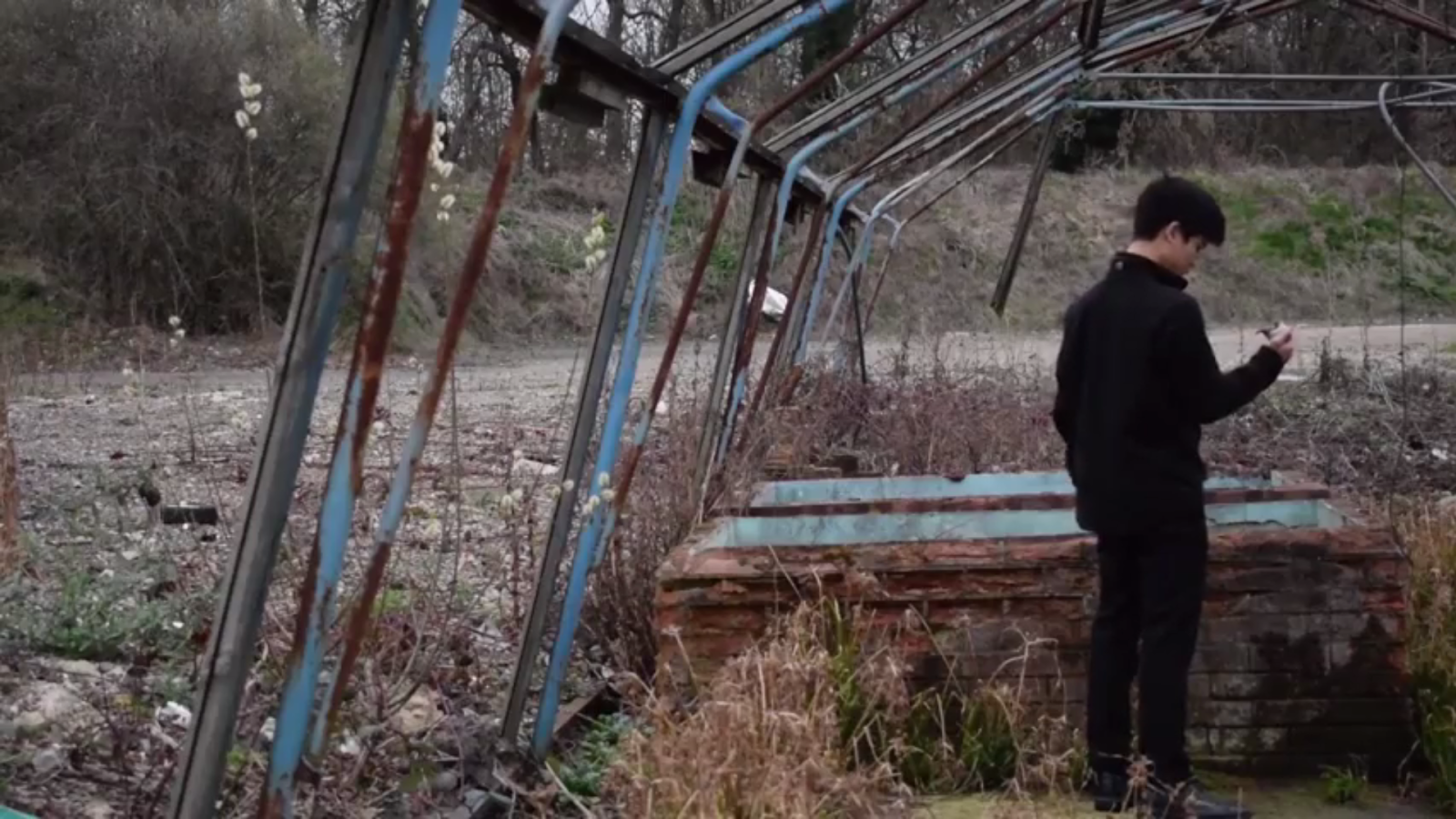
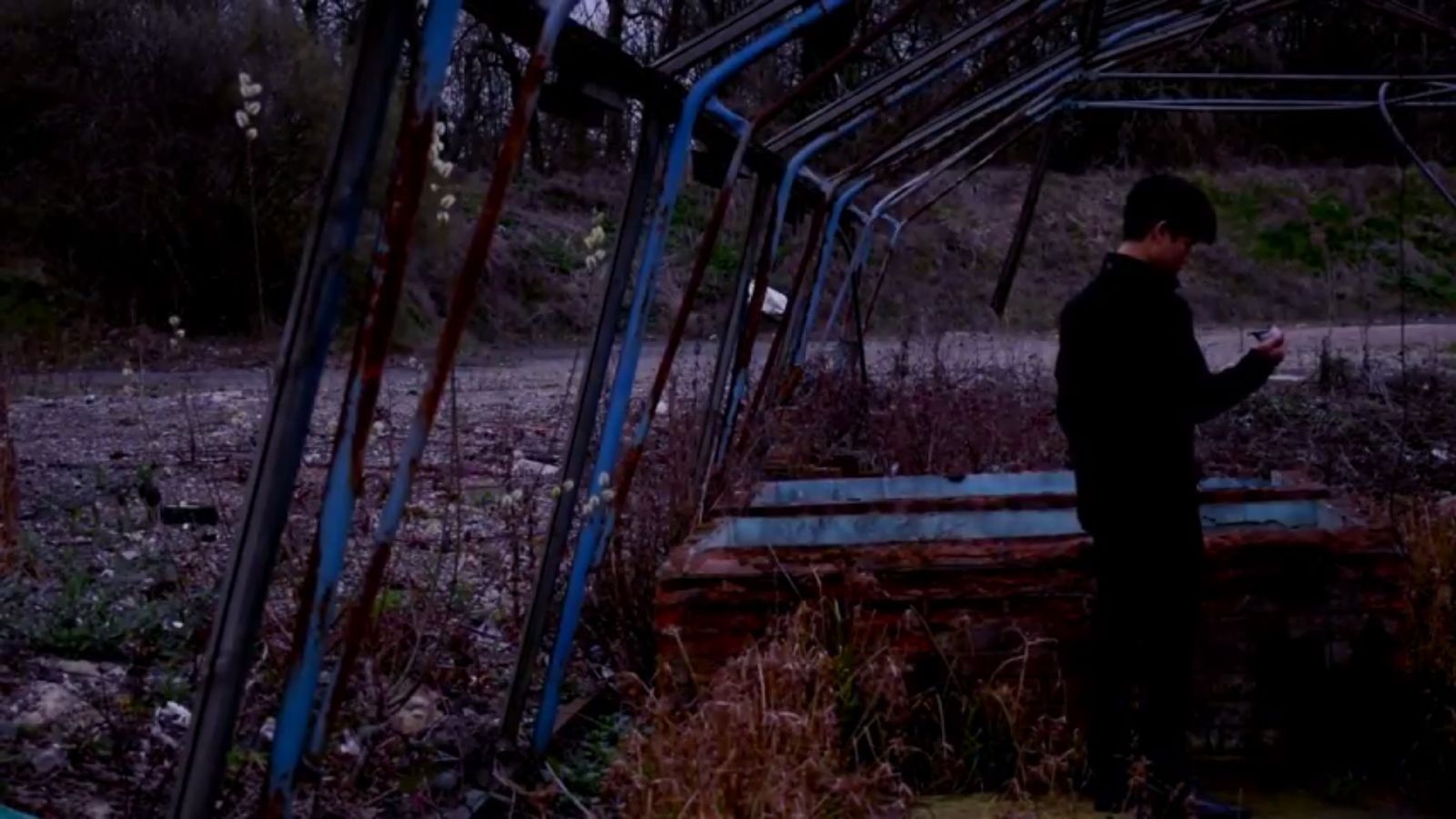
We didn’t use that many special effects for our project but when we did, we did it in relation to the horror genre. In the two pictures seen above, they show the transition in filters as the demonic presence appears in the scene. This is to give an eery effect for the audience since darkness and darker colours represent the evil antagonist of the movie, it also acts as a hint to the audience that something bad or scary will happen to build the tension.
Codes and Conventions in our opening two minutes

Throughout our movie, we have used various codes and conventions to ensure that our film fits as a horror genre.


Isolation - For our setting, we used a forest like area as the ‘Detainee’ is telling the story to the detectives that explains how he got into his position. Isolation is a common theme inside of horror movies because it allows the characters to seem vulnerable to predators and it allows the section of the movie to be based around how helpless the characters are.


Age - Age is a common factor inside of any horror movie because it can affect the realism and other areas of the plot; young people or teenagers are seen as energetic or mischievous which can be used to initiate the issue in the movie which then leads to the introduction or motive for the antagonist to carry their intentions. Elderly people are seen as less energetic people and this means that they are more vulnerable which can lead to a much shorter storyline than teenagers.


Dark Theme - We used a dark theme throughout the movie to keep a dark and creepy atmosphere for the audience. We did this by using low lit settings, demonic effects and sounds, a theme of decay in the forest, and minimalistic colours. This adds to the tension of the movie because the dark theme acts a catalyst for tension; dark colours normally resemble an evil and creepy plot line but light colours can be used to encourage the audience to feel relaxed or calm in during the movie which is the opposite effect that we intended to have.


Music - Another important area of any movie is the non-diegetic sound or sounds that are used to help create an eerie effect for the audience. We did this by having parallel sounds to help the anchorage of the scene; the quiet music playing in the background of the first scene is angelic which relates to heaven, this is effective because it juxtaposes the theme of demons which is the main motif of the movie.


Sound - We used different sounds and noises in our film such as dialogue and sound effects. Our main sound effect was the demonic scream at the end of the second scene. This was effective because it was scary to the audience since they weren’t expecting it and the sound was unique to everyday noises so it added to the eeriness of the scene.

Enigma Codes - At the end of our film, we ended it with a sharp finish that leaves the audience wanting to know what happened after. This is effective because it allows the audience to feel curious for the rest of the film.

Interviews and job description


Oliver Bridle
For our project, Oliver was the director of the movie. He kept a picture in his head of how he wants the scene to look and where the characters need to be for the whole scene in order for the production to be carried out as planned. Any changes the characters or set would have to be considered thoroughly by him because a change that is small or large can impact the outcome of our project. Since half of our project was filmed in his house, he could change objects in the room to suit the scene.

He was also the producer as well as the director which meant that he was in charge of the script and who said what, where they said it and how they say it. Like the directing role, all changes or adaptations made to the script will need to be discussed and thought out so we don’t make any unseen errors through the editing process or any obstacles that can impact our productivity or the project itself. If any errors are seen after the production was over, it can risk damaging the continuity of the scenes and ruin the realism or ‘cinematic illusion’ for the audience.

He was in charge of the editing of our project, he needed to keep in charge of the editing so he can create the project using his own ideas that he had planned from before the project started. He was also one of the most experienced in the area of editing footage so he was aware of the multiple tools and effects that are available in the Adobe collection. We would have to discuss as a group what changes we would need to make during the editing process to improve our production and all decisions made would need to be approved by Oliver. After the processes needed for our movie were complete, he had to upload our videos to YouTube so that we can evaluate them and complete coursework based on them.
His last job in our project was acting ‘Detective 2’ in the first scene. Since he was the director and writer of the project, he knew what he needed to say and do to act out that scene in his image. He would act out the other actors’ roles to demonstrate to them what they need to do and say properly to complete the scene correctly.

Edward Lai
One of Edward’s jobs was to edit the media for our project, an example of this would be our film company’s logo.
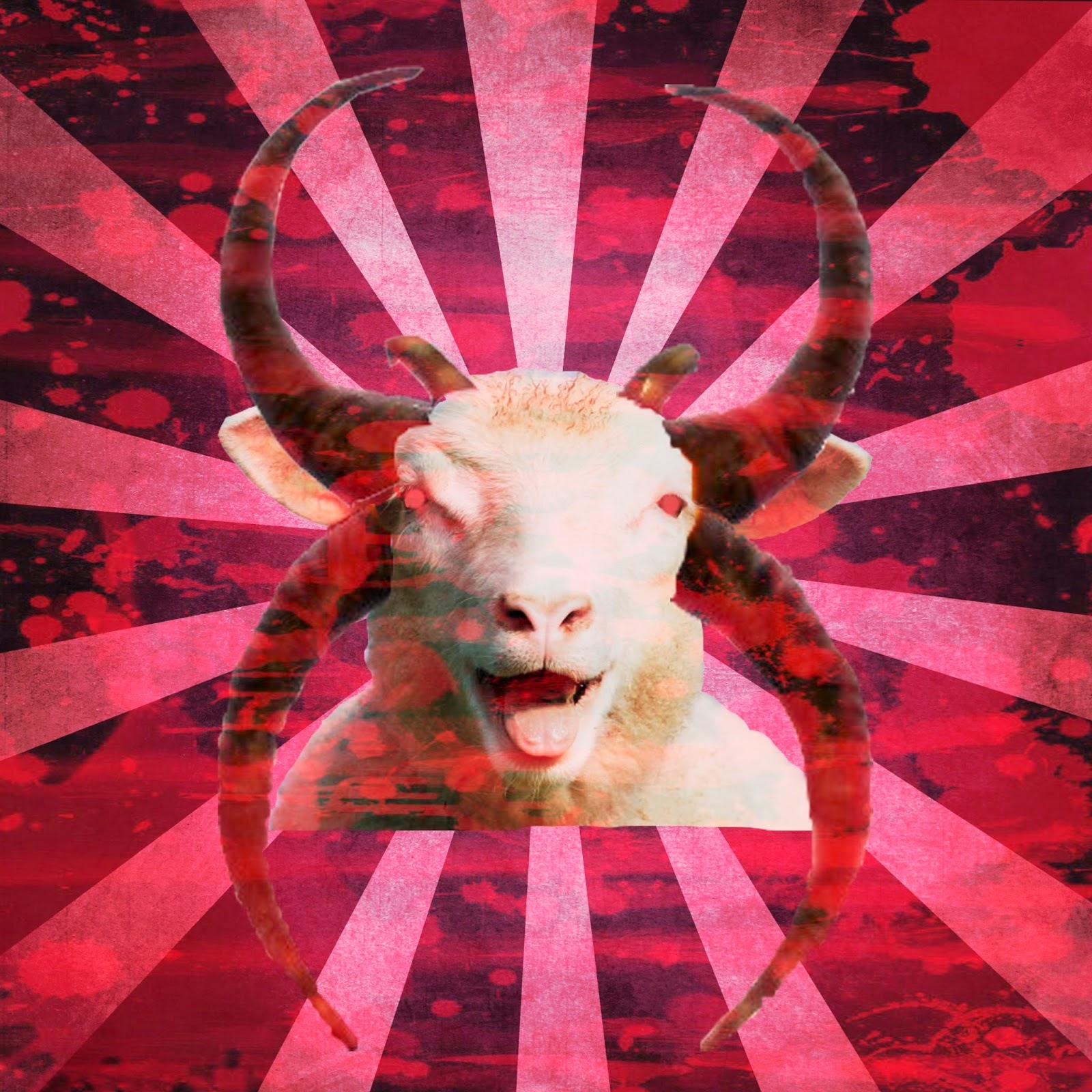
Oliver came up with the name “Ramhorn Studios” because it sounded ominous and creepy for a horror based company. Ed was using Adobe Photoshop to produce his own idea of what the company logo should be. He chose do this because he was experienced of editing pictures outside of the project since he had gained his knowledge in previous lessons.
Here is an example of what he has edited.
https://blogger.googleusercontent.com/img/b/R29vZ2xl/AVvXsEgQ2gALw_b8GEe_q3AVfUil_L8bqEpzKozgs8H_qD6WKVQiYyqQAQVnkndurYyI9Sl-GH4pZ1329eY60o5WJ-U0nhmQdU_8oLeOB0AoqpZnkQGE4ClnwFhcTcOa5k7Imw_F3mPq-jOH780/s1600/vintage_starburst_texture_08_brightpink_pink.jpg
He also did the location research and this was important because it allowed us to discuss where the best places were for our production and to get the atmosphere we needed from the environment.

He did the background research for the planning of the project. This is important because it gave us extra information about the areas that were involved in our film, such as costume research. The costume research was important because it gave us an idea of what the adults wore during the 1970s era, this would impact the realism of the movie if it is not accurate.

He was in charge of the photography of the movie, he needed to take pictures throughout the filming process and editing stages cover the behind the scenes basis of the project. Similarly to the editing, Edward was also experienced in photography because of his hobbies outside of school so this meant that he knew about the different framing techniques and how to use a camera more effectively. Getting the pictures for the behind the scenes was important because it is common for many films to have them and it gives an insight of the movie for the audience of how it was created.

He played the ‘Detainee’ in the project because we thought he would be suitable to play a typical teenager of the 1970s. This was a vital role in the project because the ‘Detainee’ was the one who the film is based on and without him, the film had not had a main antagonist.
The role was to follow the script and complete any actions that Oliver told us to do to finish the scene.

Nicholas Bryant
I was in charge of keep the team organised and making sure that no important information is missed throughout the project’s production stages. If there was information missed, it could lead to conflicts amongst the team members or inconvenient absences.
Keeping effective and efficient organisation is key during team-based projects because it can slowly fall apart or pieces/areas of work can be missed, forgotten about or damaged in some way. If the project has no organisation then it can lead to being rushed and some stages that are important will not be done properly and with enough thought which can greatly impact outcome of the film.
I needed to distribute out the coursework and research to the group the different team members to ensure that no-one feels overworked or stressed which can lead to a drop in morale or confidence which can have a further impact on the effectiveness of the team. I also needed to keep constant communication with each team member to inform them on any upcoming project-based meetups were happening or any important updates that the group will need to hear in order to continue with coursework.

I tested out the Adobe Programmes to gain knowledge on the different techniques that are available in the software. To do this, I put together a small collection of different fonts, styles and backgrounds as examples to see which ones are the best to use if we needed them for our project.

I also played ‘Detective 1’ in the project. Like the role of the ‘Detainee’, I was able to be placed around the set for where Oliver wants so that we could continue filming the scene.
Ergist Grricaj
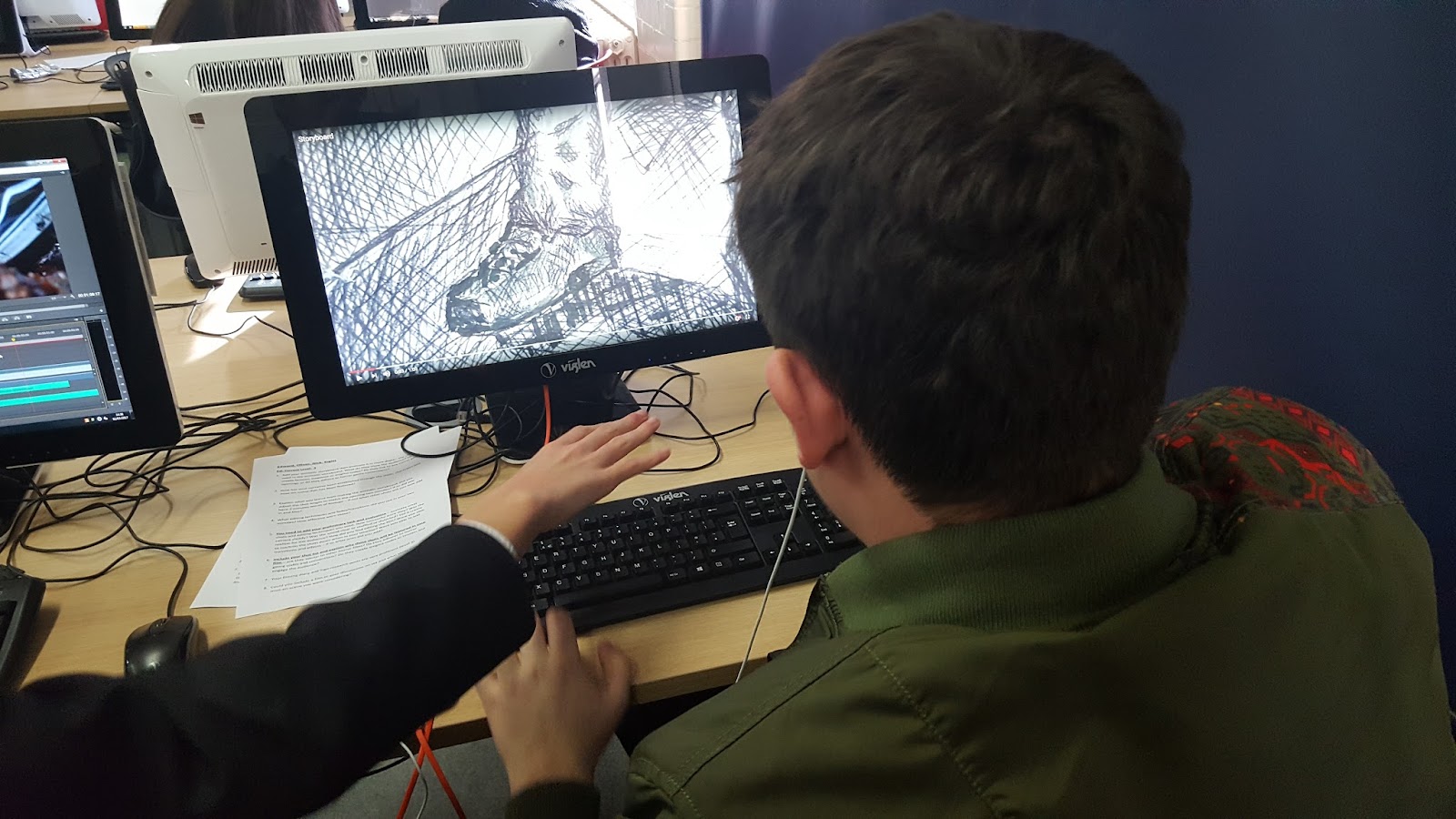
20170302_143623.jpg
In the picture, Ergist is editing and evaluating the mood board. He has a hobby of drawing which meant that he was capable of drawing accurate and well-made art so he was the most suitable for the role of the concept art and mood board.
Creating a mood board was important in the early stages of our production because it gave the director and the other members of the team an idea of what their movie will be about and what to expect when it comes to carrying out the acting stages.

Like Edward and Oliver, he has a clear understanding to the editing software that was available. He helped Oliver with the editing for the movie, mood board and other areas of the project to help speed up the production rate for the movie and coursework.

Even though he is not a part of the film, Ergist’s roles were to complete any additional research that required detailed explanations and because of his past experiences in media, he could evaluate different forms of media in great and accurate detail.

The Progress of the Videos

Original video

This is the first video that was produced for our project and the video itself is 2 minutes and 52 seconds. After re-watching it and gathering feedback and opinions from other people, we decided that the video was too long along with the length of the video being over the limited time width. We looked through the video again to see where we can trim down the video to get to a suitable length.

Shortened video


This is our shortened video. After altering the original video, we cut the length of video so it is now 2 minutes and 20 seconds and we did this by removing the unnecessary parts from the introduction of the movie and also making it better for the audience.

From the responses we got from our audience, we also changed the sounds in the 2nd scene. We had a non-diegetic sound effect a few times in the scene which was a type of whistle/scream which the audience found loud and irritating for the ears so to improve on this; we made the sounds quieter so they did not give the same effect.

Filming Diary #5

Tuesday 14th March - 5th day

Wednesday 15th of March, Ollie and I started filming the final part of the film. The location that we went to was an area that we thought we would be suitable for filming since it had open spaces and didn’t have colourful features such as green leaves and houses. We chose to film in that location because in this part of the film, is where the main character finds the item that gives him the curse and usually mysterious items are usually found in abandoned place or ancient sites.
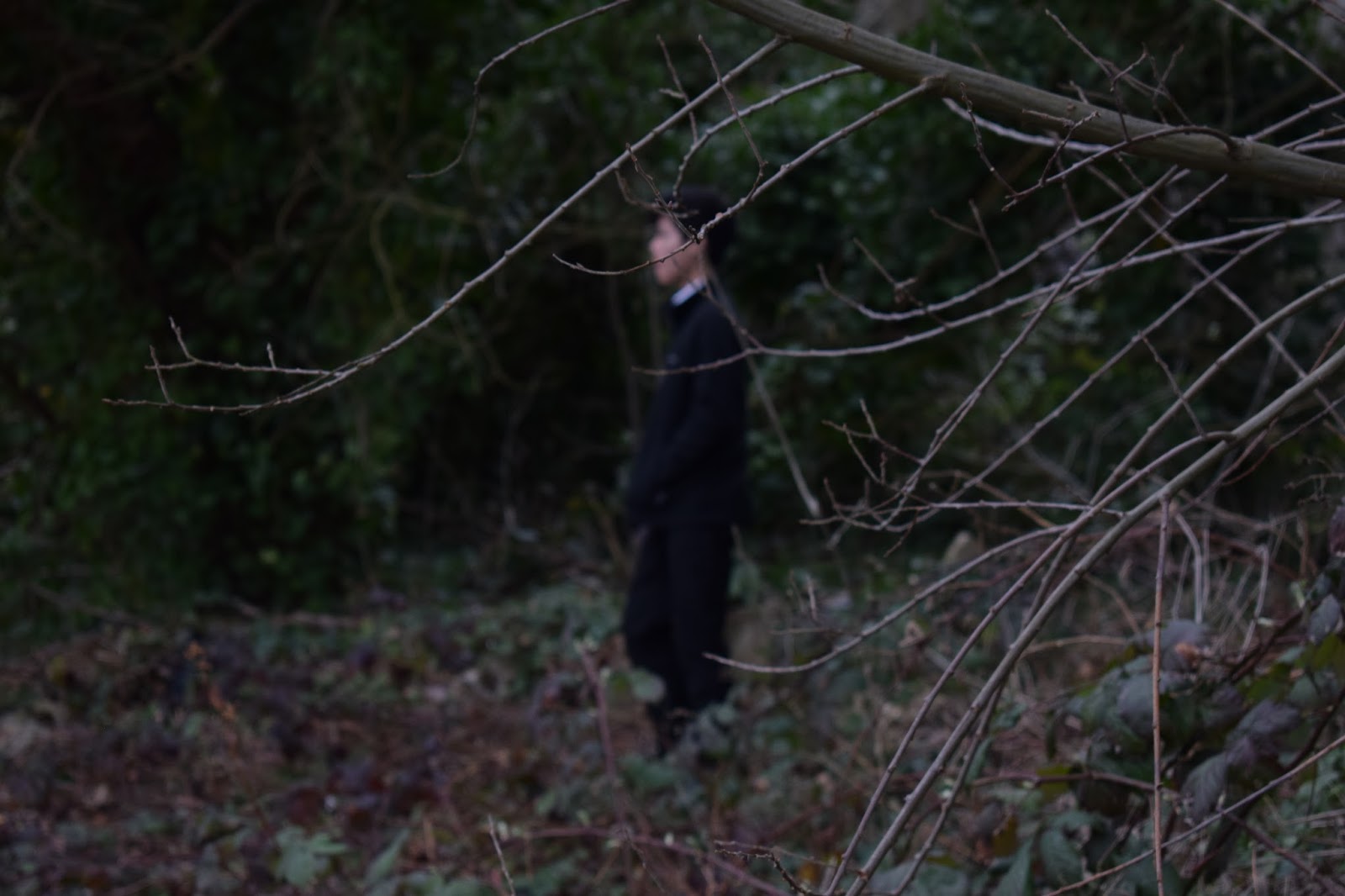
When we got there, we discussed what kind of shot we want to use and what to video. The first scene that we shot was the detainee walking towards the building. We discussed where the detainee will start walking from and where he is heading. But before we talked about where he is heading, we had to agree on what he was going to wear for the shot. The detainee was wearing a black fleece to create a winter outfit. Underneath the fleece, he is wearing a plain, tailored, slim short sleeve shirt to create an innocent and a stereotype for a school boy.
He also wore a black, formal, tailored pants company with a formal black belt followed with a pointy, laces black shoes. This outfit was chosen because it creates an appearance of an innocent and young teenager.DSC_0784.JPG

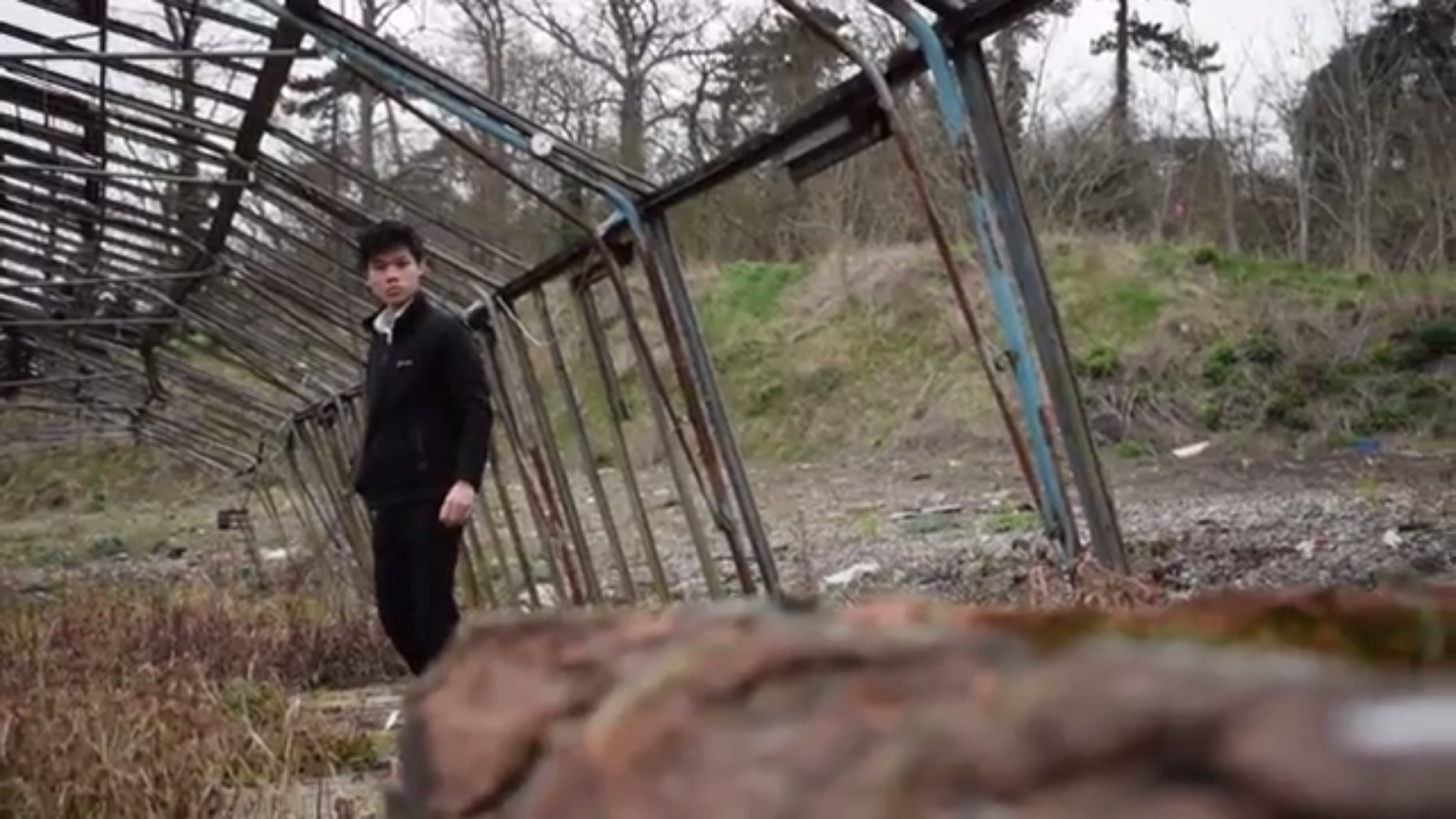
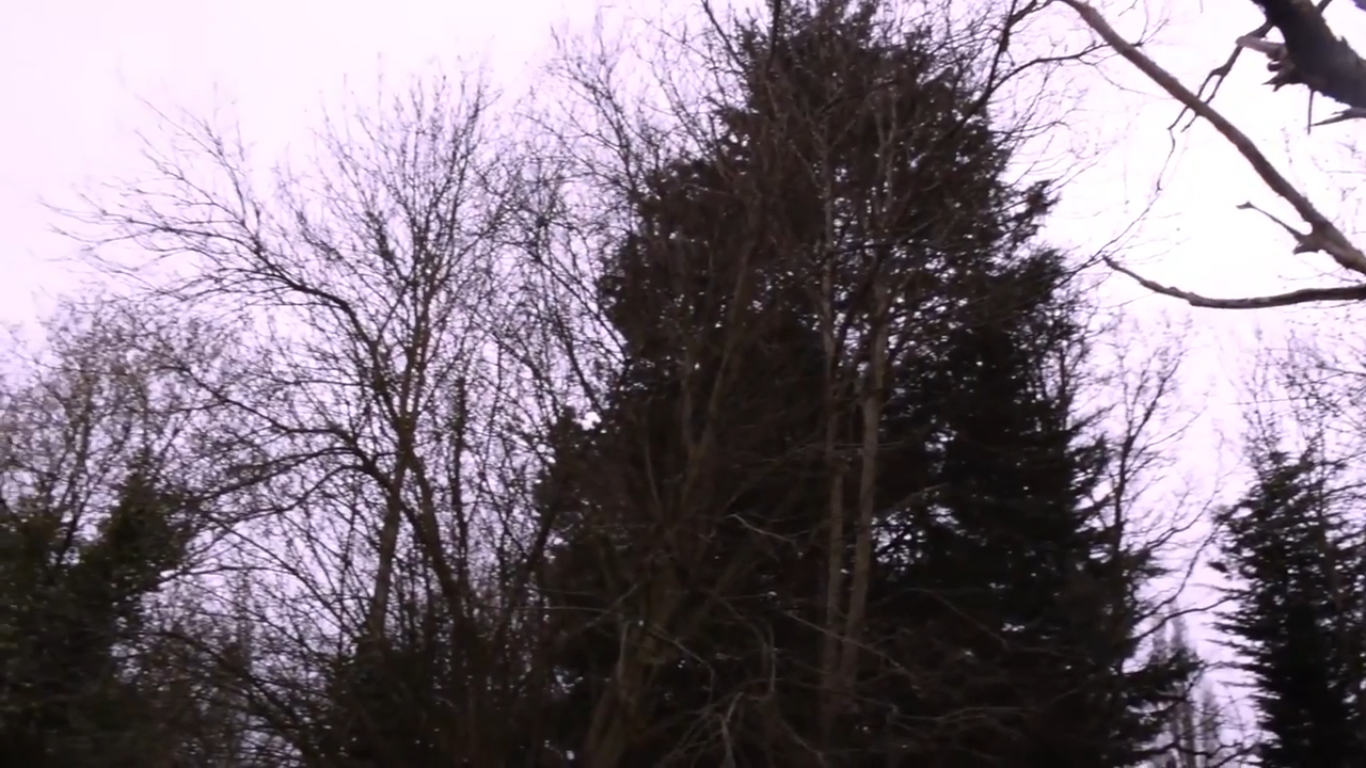
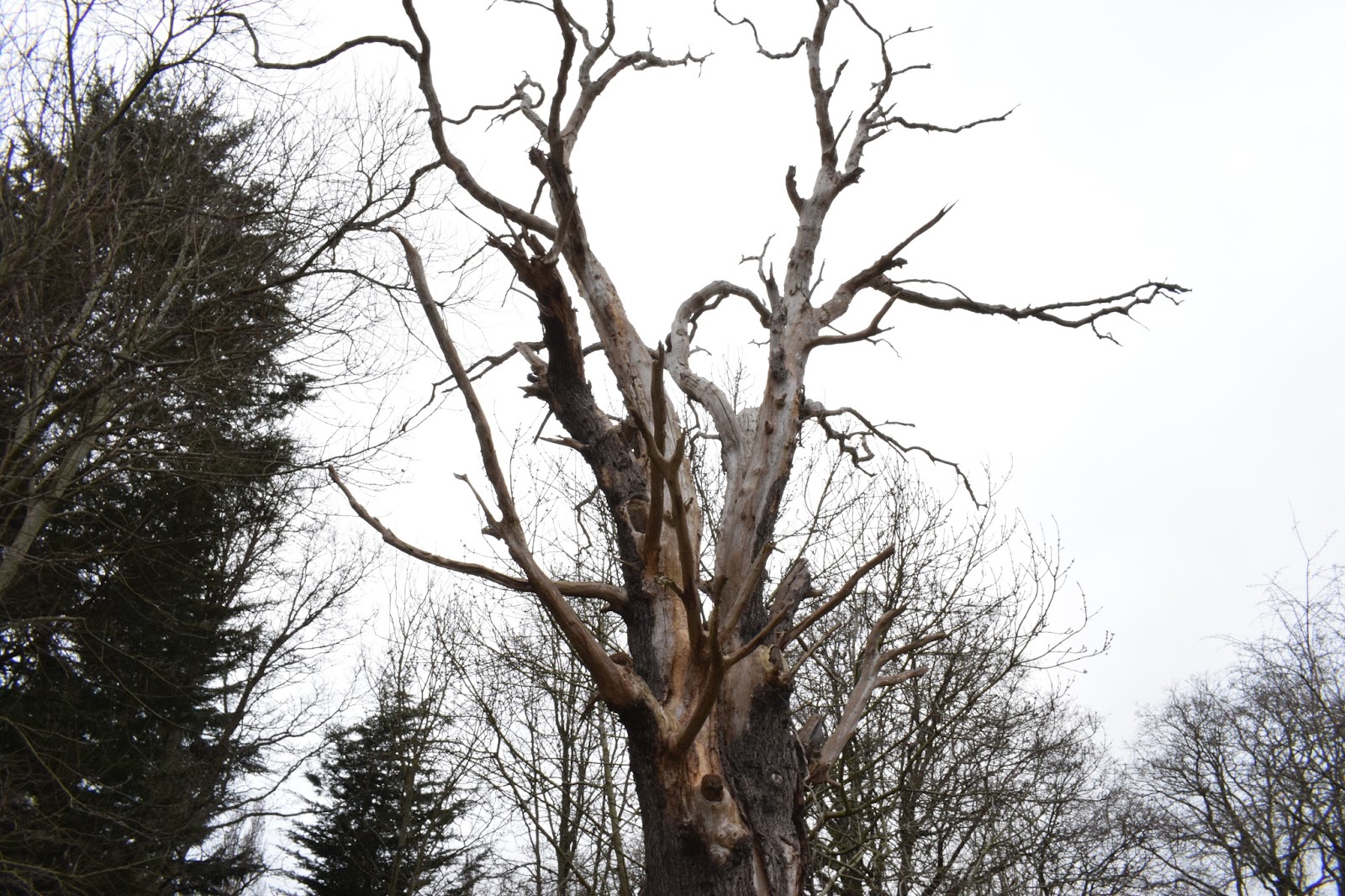
In our discussion, we were talking about where we are going to film. Our first idea was to film some kind of object or place to create the mood. So we recorded footage of a dead tree to create some sense of danger and haunted. After setting up the mood, we finally started filming our first scene for part 3 of the film. The first scene we planned and filmed was the scene where the detainee walking towards the empty area. We discussed where he is going to start walking from and where he is going to walk towards. For us, the detainee starts walking from the tree line and heading towards the opening of the damaged structure. The camera was placed a couple of meters away from the detainee so that they can include the setting and the detainee in the frame. We had to continuously re-record the scene again until we got the right shot because sometimes zooming out wasn't smooth enough and sometimes it was blurry. The next scene was a low shot of the detainee entering the building. This part was the hardest scene to record. DSC_0771.JPG
To create a low shot, the person holding the camera, Oliver, had to lay down on the ground. while he is laying down, the detainee had to walk towards the camera and walk over the camera not around it to make the movie more realistic.

After that scene, we started filming the scene where the detainee sees the item for the first time. Before we started filming, we conversed about where we were going to place the object. We had to choose whether to place it on a rock, on a plant stand or on the side of the building. We chose the plant stand because it created a sense of fear and eeriness. The camera was placed right next to it so that the cameraman will be able to video the detainee walking towards the objects and picking it up. This scene was critical and scary. The object was placed on the side of the plant stand that is filled with water. If in a situation where the detainee drops the object in the water, we will need to find a different object. The object that we used was an ash pot with a tongue and teeth painted onto it. We chose to use this object because it creates a sense of mystery object and a haunting object.

After setting up the camera and the object, we had the detainee entering the building, sees the object, walks towards the object and picks it up. During this time, it was getting darker which caused of risking the continuity of the scene and to be able to have the scene to connect to the other previous scene, we need to have the same lighting as the previous scene. Before we found out, we still continued filming but we will make sure that we will deem the brightness using the editing software to create a cursed effect.

The last scene was the part where the detainee gets cursed. We placed the camera a few footsteps away from the detainee to video a close-up shot of the face to film the facial expression. So we had the detainee to scream loud while having a scared face. We had to film this scene multiple times to get it correct.

We were planning on filming the final scenes the next day but we found out that our video will be over the maximum time limit by a lot so we decided to edit the rest of the video to make it so it opens well for the audience and ends effectively to get the audience’s attention.
After we finished editing, we found that we had gone over the maximum duration by around 14 seconds. To fix this, we went through the original video and took out all parts of it that we thought we too long and all of the video removed was taken from the opening credits so it didn’t impact our footage.


This is a video of Ollie explaining how he edited the video and what gave him the ideas to choose the methods and effects that he used in our film.